
DHIS2 Annual Conference 2026

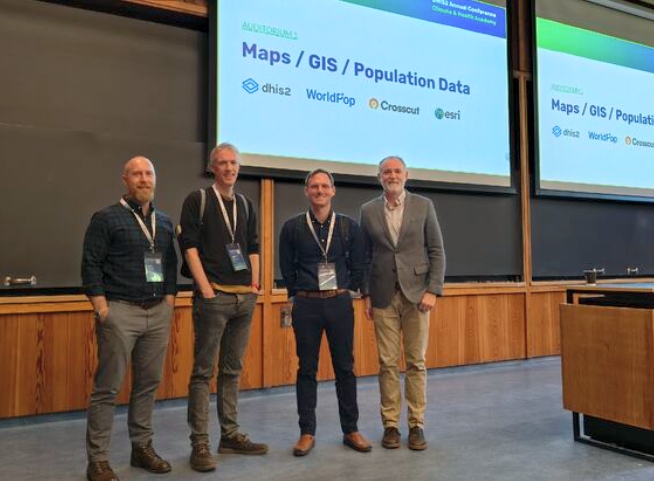
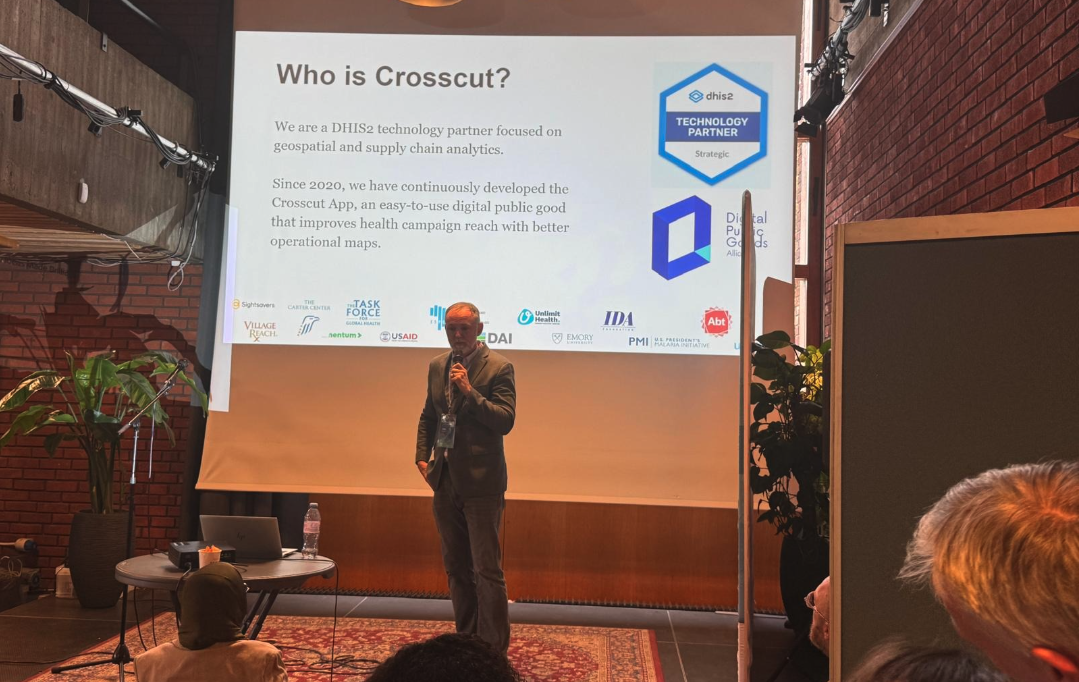
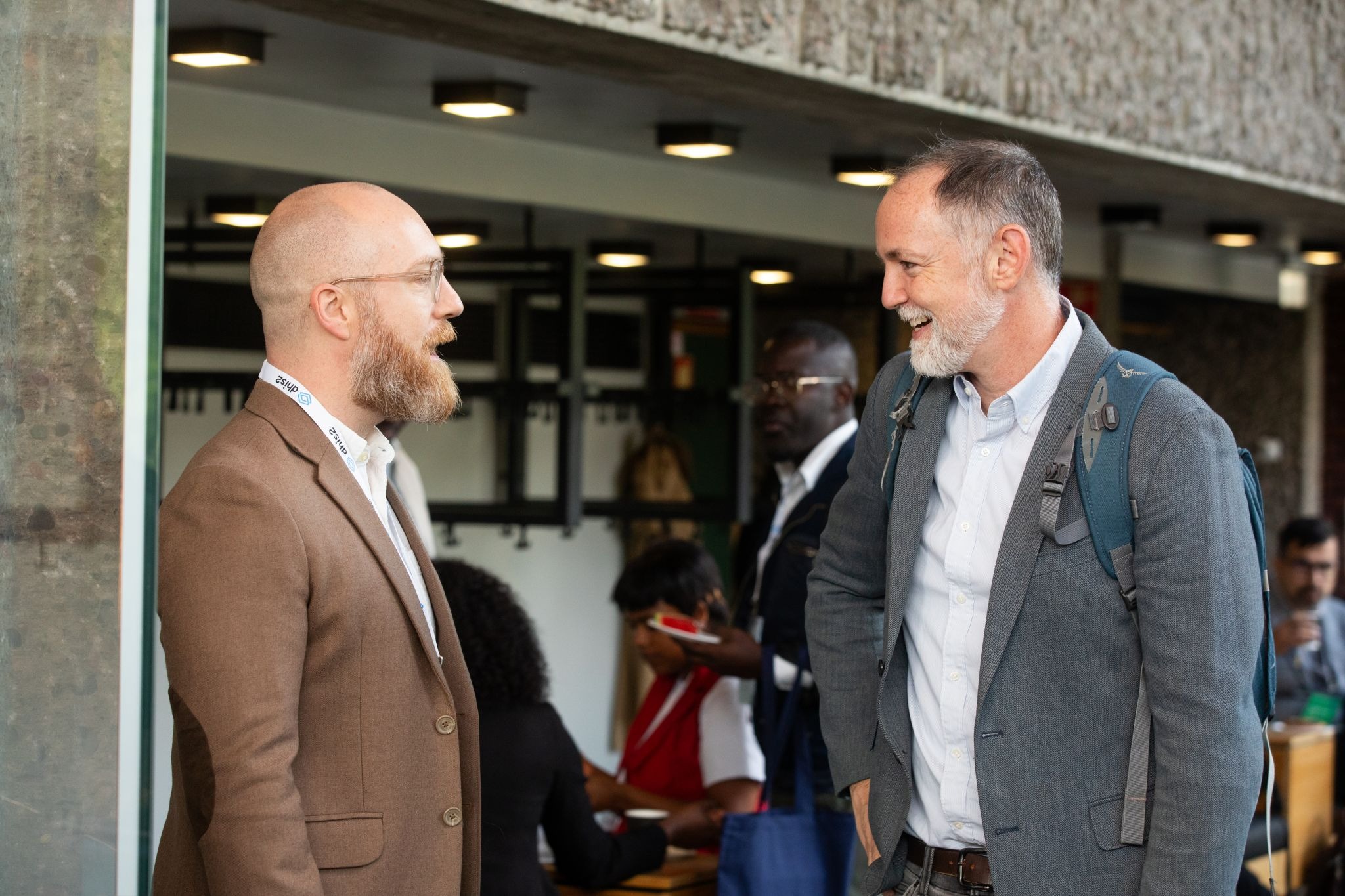
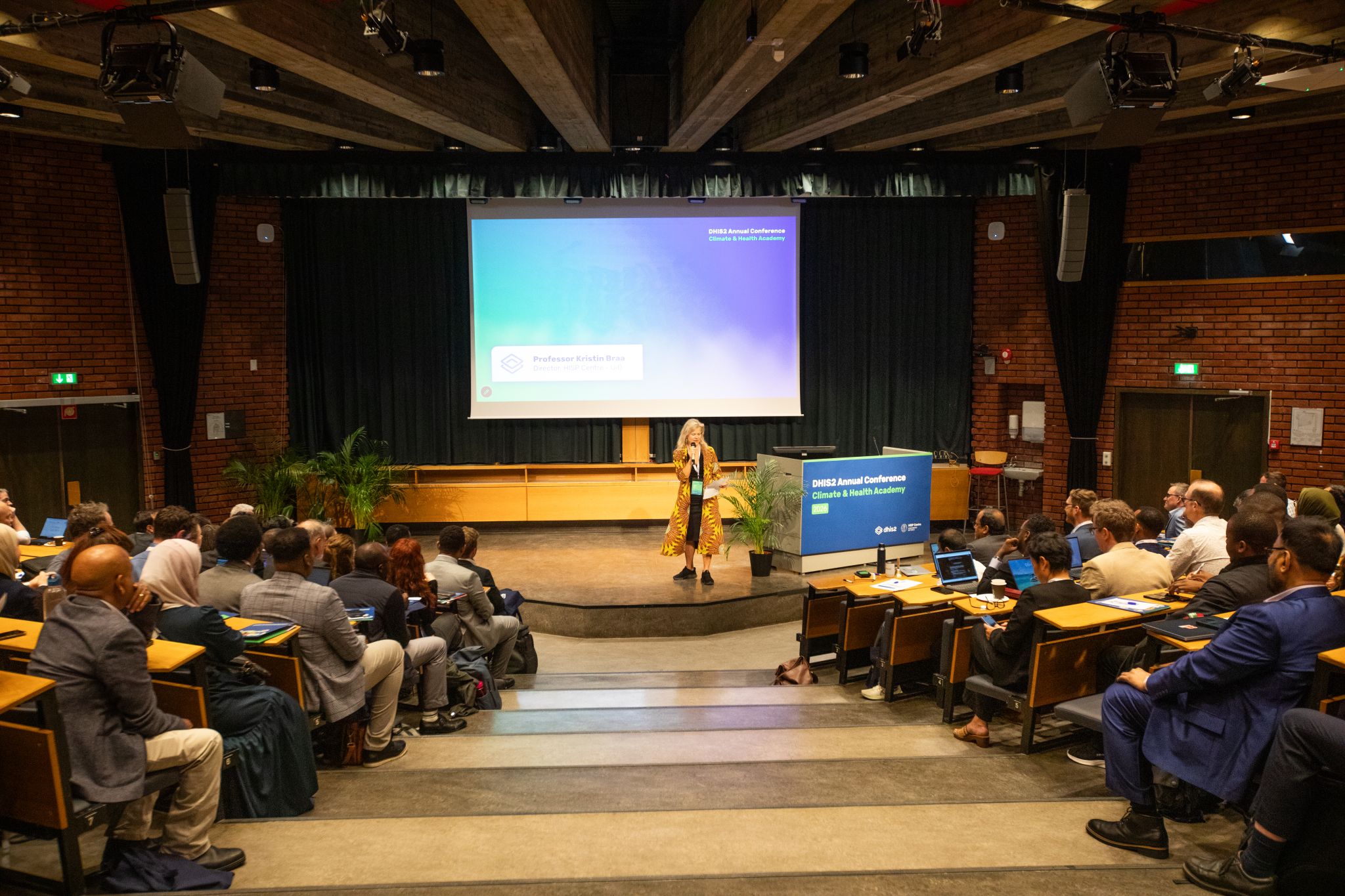
I was in Oslo a few weeks ago for the DHIS2 annual conference. This was my first time in attendance. As one of the DHIS2 Strategic Technology Partners, Crosscut had a chance to present on our technology and talk through what we do with attendees from across the global health community.
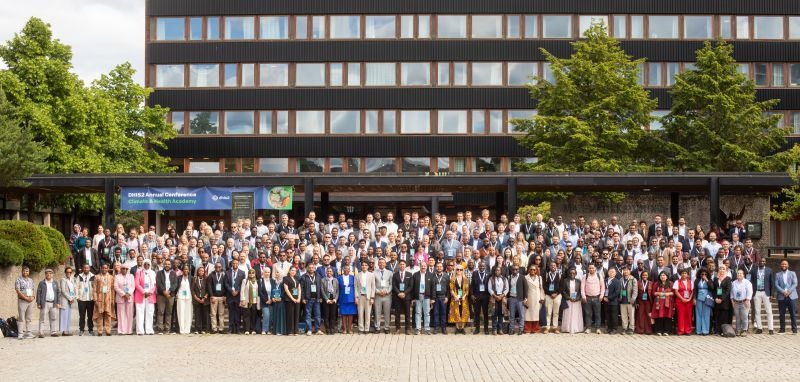
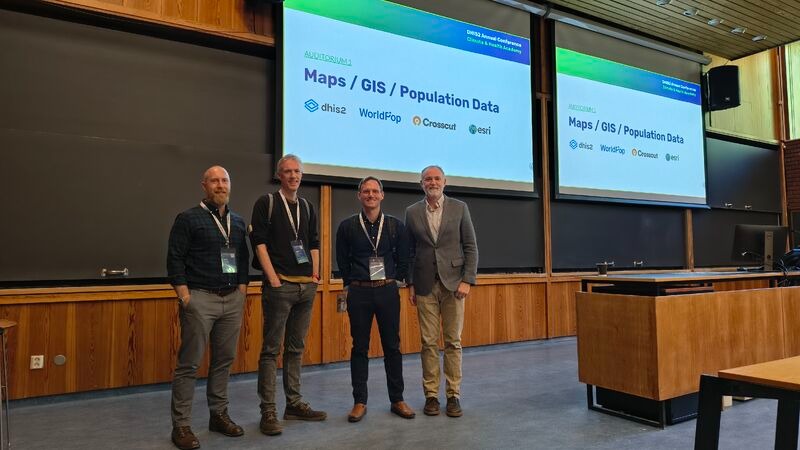
I also presented in the geospatial maps track, where I walked through the geospatial work we do inside DHIS2 itself alongside teams like WorldPop, ESRI, and the maps group at the University of Oslo. The conference room was about as global as it gets, with ministry of health representatives from over 70 countries attending.
What "going all in on DHIS2" means for us
This conference is important for Crosscut as we start to implement our plan of shifting more of the Crosscut App functionality into DHIS2. The conference allowed me to meet several of the key persons on the DHIS2 side (both from University of Oslo and DHIS2 HISP partners) who we are likely to be involved in this transition. From a technology perspective, I am building my understanding of how we can publish enhancements to the Crosscut App and have those simultaneously sync to the Crosscut App and to DHIS2. The conference allowed me to see how other groups are thinking about these types of integration challenges.
DHIS2 is the system most of these teams already work in, which makes it the natural home for our catchment mapping technology. That is the heart of why we are putting our weight behind it. The Crosscut App itself is not going anywhere, and will still be fully available. Right now, our DHIS2 integration does one job. You can draw catchment boundaries for your DHIS2 sites and view them with population data in the Maps module, without leaving DHIS2. The module works, but it is a small slice of what Crosscut can do. We want the whole thing in there. Build catchments, size up your target population, check travel time, and plan supplies, all in one place. And you can still work in the Crosscut App outside of the DHIS2 ecosystem.
This is not a sudden turn for us. I reached out to Scott Russpatrick and Bjorn Sandvik back in 2022 after noticing their team working on mapping solutions. That conversation grew into the microplanning app we published in the DHIS2 App Hub, and a signed memorandum of understanding with the HISP Centre at the University of Oslo.
By 2023 the DHIS2 core team had folded Crosscut into their Maps Academy and trained more than 50 ministry staff from over ten countries on it. Going all in on DHIS2 is the next step in a relationship we have already invested years in.
Sustainability, the Crosscut App, and DHIS2
The other reason we are moving in this direction is more practical. Tools built for global health programs tend to have a lifespan tied to the grant that funded them, and when the grant ends the tool goes quiet. Embedding in DHIS2 changes that arithmetic. DHIS2 is used in more than 134 countries, is owned and operated by national ministries, and has been sustained for roughly three decades by a wide collective of donors rather than a single funder. A capability that lives inside that platform does not become orphaned when any one grant closes out.
The running costs are also small enough to be shared. Once the migration is complete, keeping the analytical engine maintained, refreshing the underlying geospatial data each year, and covering hosting and licenses is very low. This is by design because we started Crosscut with minimal funding. That low amount is a figure a group of implementing partners can carry between them, topped up with modest donor support where needed, and it does not require a dedicated grant or a single benefactor. The analytics are also disease-agnostic: the same engine that supports NTD microplanning supports the operational mapping needs of malaria, immunization, and global health security programs, which widens the set of organizations with a reason to keep it running.
Embedding in DHIS2 also helps us demonstrate where the data sits. Sensitive country data stays in the national DHIS2 instance, under national ownership and DHIS2's own authentication and access controls. Crosscut provides the analytics, not the data store. We read what we need, write results back to that repository, and retain no identifiable national data of our own. Where a country requires its instance to be hosted in-country, that decision rests with the ministry and our deployment follows it.
Related Posts
.png)
What are never treated communities, and how does WHO’s new toolkit help NTD programs find them?

What GPEI's polio outbreak guidance says about catchment area maps
What WHO's routine immunization guide says about catchment area maps
