
How we're integrating AI into our development workflow

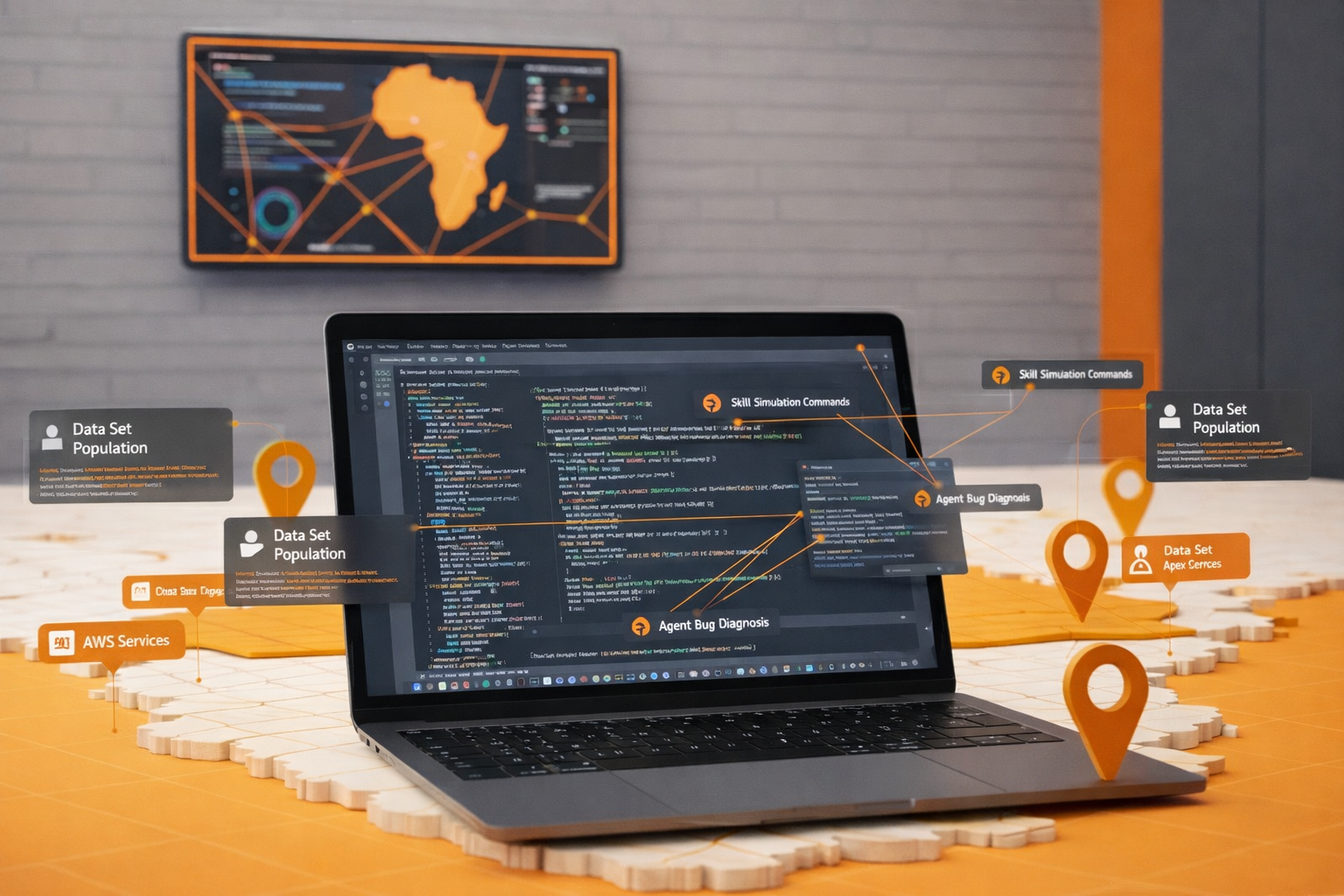
Last year we wrote about how we're using AI to improve our workflows. Tools like ChatGPT and GitHub Copilot helped a lot with autocomplete and debugging. But using multiple tools meant copying code into a browser, getting an answer, pasting to your editor, running it, copying the error message, pasting that back. Complicated tasks were clunky and hard to manage.
We recently moved from browser-based AI tools to Claude Code that runs locally with access to our own code and files. We've been exploring the capabilities of this setup during professional development time where we set aside four hours every two weeks. We learn and share without any deadline pressure, which has led to real breakthroughs and improved AI workflows.
This shift wasn’t just about speed. It changed how we prototype, test, and reason about systems earlier in the development process. We’d like to share how it gives us tighter control over context in terms of what the system sees, what it touches, and how it reasons.
How local access changed our workflow
With Claude Code, you write a prompt, it runs in your terminal, analyzes the files you give it access to , writes code, executes it, spots errors, and fixes them. There’s less back-and-forth than with browser AI chatbots, because you're not shuttling information between tools or windows anymore.
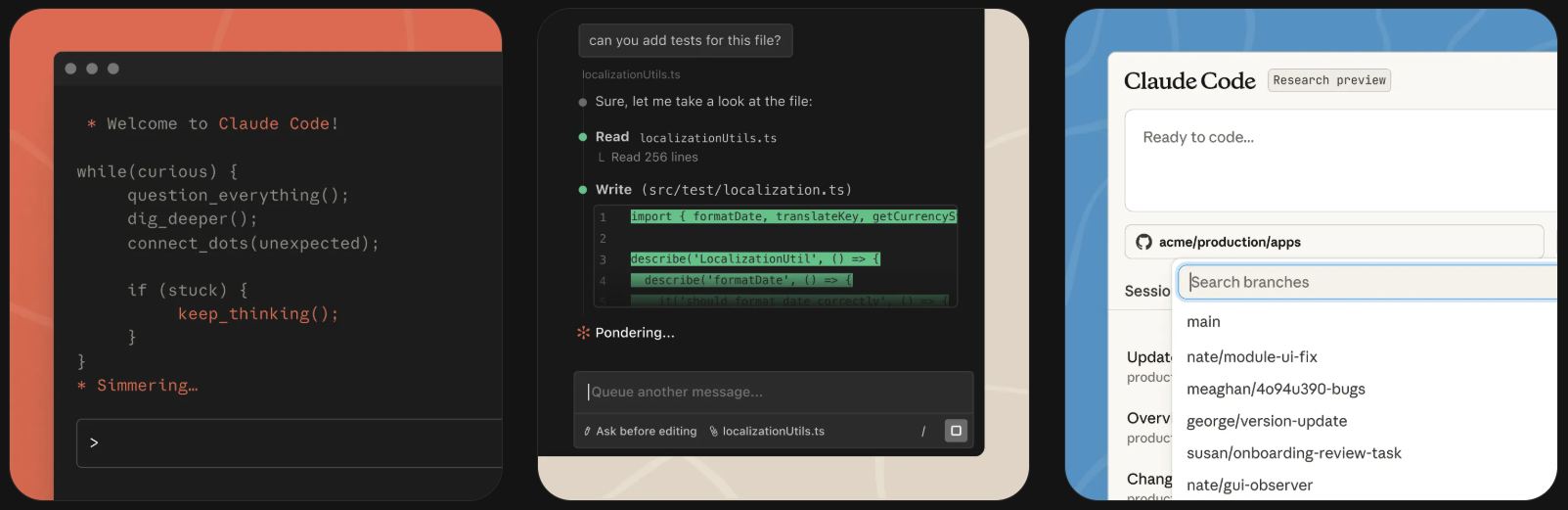
Because we give Claude access to our code repositories, it can see how they interact, trace bugs across them, and understand dependencies. You can tell it: “This bug is probably in one of these three places,” and it helps narrow it down. Offloading these tedious tasks saves time, and we stay in control of where the tool is looking when it answers a prompt.
That control is important to us. We know exactly which files, data sets, and repositories it’s drawing from, which makes its output more predictable and easier to trust.
Running simultaneous skills with agents
Claude agents (and sub-agents) handle these kinds of multi-step tasks in parallel. If Claude needs to read five files to diagnose a problem in code review, it reads them all at once, not one after another. This is different from ChatGPT or Copilot, where you feed the model information sequentially.
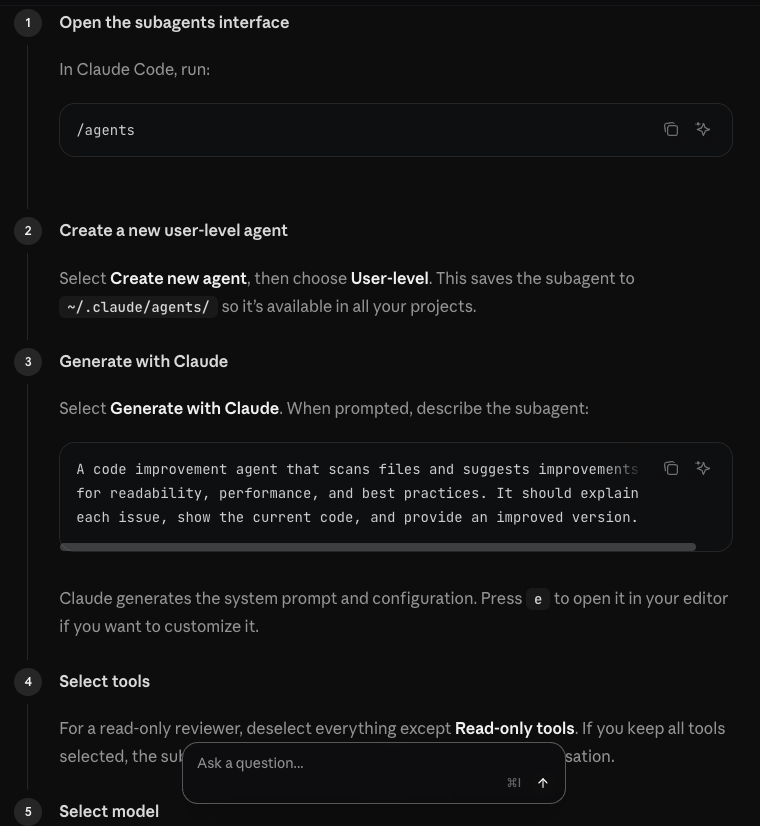
Those agents rely on Skills, which are reusable capabilities like searching files, reading repositories, or creating new ones as needed. While Claude comes with a set of built-in skills, Emmanuel has been extending them during his PD hours by building custom Skills. He’s already standardizing commit messages and automating pull requests. These live directly in the repo as files Claude can reference when needed.
This is where things compound. When we give Claude a large task, it can break the work into steps, ask clarifying questions, and create to-do lists for itself using sub-agents. We guide decisions. It executes. If it asks, “Should I structure this tool this way or that way?” we can answer before anything runs. The dynamic feels less like chatting with a tool and more like managing a team of interns.
We were already using ChatGPT and GitHub Copilot for code completion, general sanity checks, brainstorming and code reviews. Skills turn those one-off interactions into durable workflows. One person builds a Skill, and the rest of us – including sub-agents — can use it.
How Claude Code helped cut costs
Brianna has been using AI to understand why preprocessing costs were running higher than we expected. Before any country appears in the Crosscut App, we process administrative boundaries, road networks, population data, building footprints. Sam gathers all that raw data we need. Brianna optimizes how we process it.
To track down where those extra fees were coming from, she pointed Claude Code at our cost estimates and related files. The output showed that our AWS jobs were sitting idle while waiting to download Docker images (the software packages needed to run our algorithms). These downloads were taking multiple minutes per run.
Claude helped extract values from log files, brainstorm solutions, and evaluate different approaches. The solution was to implement a new ARM64 site architecture (runs algorithms faster and uses less power) and SOCI indexing for lazy loading to let processing start while packages are still downloading in the background.
Those changes dropped load time from four minutes to six seconds. Ghana’s complete country processing cost dropped about 67%. Claude didn’t decide the solution, but spotted constraints and tradeoffs faster so Brianna could choose the best approach for us.
Sam runs those preprocessing pipelines regularly for our country projects in places like Nigeria, Guinea-Bissau, and across WHO AFRO's region. With these updates, every processing run is faster and cheaper.
Faster outputs, fewer hallucinations, better catchment maps
Beyond taking over grunt work, the real unlock with Claude Code has been context control. We decide exactly what information it uses, without constant token juggling or worrying about memory limits. That control sets clear boundaries. Claude isn’t guessing or hallucinating across a broad knowledge base. Instead it’s reasoning against the specific files, data, and repositories we give it.
Brianna's pipeline optimization now saves money on every country Sam processes and makes the app faster for users. Emmanuel's Skills are available to all of us. James has found ways to use those Skills to transform the way he processes data and produces data visualizations. The improvements compound across the whole team.
We run hack weeks with that same team focus. Our 2024 and 2025 sprints helped clear major bottlenecks that not only slowed us down, but degraded in-app performance. AI tools helped, but seeing what Claude Code can do now, they'll play a much bigger role in future sprints.
All of this makes the Crosscut App more useful for planning health campaigns without the expensive GIS expenses. If you're managing similar geospatial workflows or development challenges, reach out through Advisory Services.
Related Posts
.png)
What are never treated communities, and how does WHO’s new toolkit help NTD programs find them?

What GPEI's polio outbreak guidance says about catchment area maps
What WHO's routine immunization guide says about catchment area maps
